
Regeneration: The engine of Core+™ and The ARID Process™

The Role of Regenerating Core+™
Granular activated carbon (GAC) is widely used in the removal of per- and polyfluoroalkyl substances (PFAS, also known as forever chemicals) from water, but the management of the PFAS laden GAC often poses significant environmental challenges and/or major cost. The spent GAC must be treated as hazardous waste that must be sent offsite whether for high-temperature reactivation or disposal in landfills.
There are multiple potential problems with both approaches:
They require transporting hazardous waste material and therefore come under CERCLA regulations and scrutiny
Landfill disposal carries the risk of simply relocating the PFAS
Reactivation is energy intensive and also runs the risk, without strict furnace combustion process controls and effluent gas monitoring, of releasing PFAS back into the environment
CoreWater Technologies’ patented adsorbent, Core+™, has been designed to enable a closed loop adsorption/desorption process that can be implemented at the utility site and multiple reuses of the Core+™ without removing it from the bed. Instead of throwing away PFAS laden GAC, Core+™ allows for its rinse and reuse through The ARID Process™, restoring Core+™’s capacity for repeated use. To learn more about the CoreWater’s four-step ARID Process™, read our article on The ARID Process™.
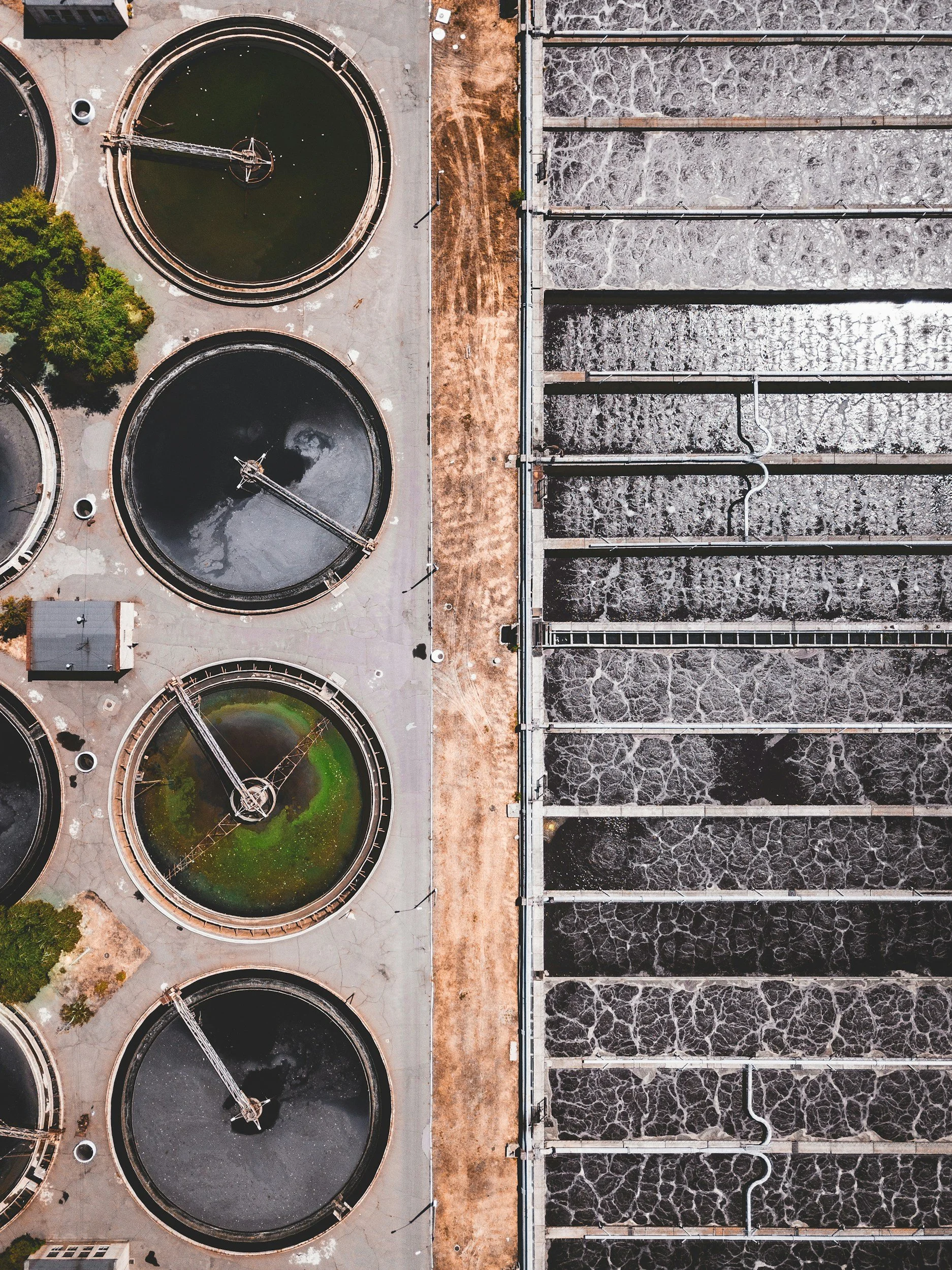
The Spent Media Challenge
The news is everywhere: PFAS are highly toxic and persistent man-made chemicals. Removing them from water is critical, yet not complicated, but that is just half the battle. When different adsorbents are used to remove PFAS from water (GAC or ion exchange resins – IX), the PFAS laden spent media officially becomes a hazardous material, with severe limitations on all options for its disposal. Unless handled very carefully, current landfill disposal practices merely transfer the PFAS to a new home for possible reentry into the environment. The result: the chemicals can leach out of landfills back into groundwater, and the process starts all over again. If not landfilled, spent GAC is reactivated at high temperatures, often as high as 1750℉, to catalytically burn off the contaminants. High temperature reactivation is energy intensive and costly, by some estimates requiring ~15-25% makeup, adding new GAC with each reactivation.
A Regenerable Option: Core+™
Core+™, a patented composite adsorbent, starts off with industry standard GAC and adds a nanoscale coating to enhance PFAS removal. The coating is engineered to enhance strong hydrophobic bonds between the PFAS molecules and the pore surfaces of the Core+™, while at the same time significantly reducing the extent of polar and electrostatic bonding to PFAS molecules. Note: The PFAS removal in The ARID Process™ is a polishing step in the water treatment train. It comes after the standard treatment for all the usual contaminants that would otherwise interfere with adsorption by standard GAC, ion exchange resins and to some extent, Core+™.
The same tailored chemistry, once the Core+™ media are saturated, allows PFAS desorption using a chemical regenerant to be done in situ. The adsorption bed is neither emptied, nor is it transferred to an offsite location for regeneration. Instead, it is rinsed and regenerated in place, and the bed is ready for use soon after it is rinsed.
Importantly, the rinse process uses temperatures typically produced by household water heaters. The regenerant wash itself can be reused after the PFAS are isolated from the rinse solution. Once isolated, the PFAS can be destroyed using any of the emerging PFAS destruction methods onsite at the utility.
A Quick Look at The ARID Process™
The ARID Process™ is a closed loop process for PFAS remediation that starts with the capture of PFAS from water and ends with PFAS destruction into non-harmful end products. Each step in The ARID Process™ addresses a crucial phase of treatment.
Adsorption (A) adsorbs PFAS from contaminated water, just as conventional GAC would, with equal or better removal efficiency. The coating on Core+™ gives it a high affinity for PFAS even at low concentrations.
Regeneration (R) is the stripping of PFAS molecules from Core+™ by circulating a chemical rinse through the adsorption bed. PFAS are transferred from the Core+™ into the regenerant solution, making the media bed reusable without ever leaving the vessel.
Isolate (I) is a step that concentrates PFAS into a controllable volume which can then be destroyed by available destruction technologies.
Destruction (D) destroys the concentrated PFAS through proven on-site destruction technologies such as HALT, SCWO, EOC, UV photochemical and photocatalytic treatment and others. The key is that PFAS are broken down into harmless end products rather than being released back into the environment.
By incorporating the destruction step into the system, The ARID Process™ avoids the serious pitfall of transferring PFAS from one place to another. We remove forever chemicals and make sure they stay gone, reducing future disposal costs, long-term liability issues, and significantly reducing greenhouse gas emissions.
Regeneration vs Replacement
For conventional GAC beds, once breakthrough occurs there is need to replace or reactivate the bed. This means material costs for new GAC, labor and equipment costs for bed change-out, reactivation/transport costs, downtime costs and/or costs for landfilling spent GAC. These costs recur every cycle, adding up to significant operational expenses. In contrast, with Core+™, the same bed can be used for multiple cycles which results in less new media and hauling less waste over time. Routine consumables are regeneration chemicals (which can be reused), which when compared to the cost of a full media replacement are minimal.
A 2025 peer-reviewed study in Water Environment Research found that the production of single use media is the largest contributor to lifecycle costs and energy use, whereas options that reuse media (regeneration and reactivation) can significantly lower lifecycle costs depending on scale. On-site regeneration can provide substantial savings for large systems by avoiding trucking and reprocessing of media. Its use extends media lifespan and results in lower total life-cycle costs when frequent media replacement is considered.
The ARID Process ™ invests in destroying PFAS now, to prevent paying escalating costs later.
Beyond cost savings, there is a dramatic decrease in greenhouse gas emissions (up to 90% less), stemming from the reduced need for manufacturing new activated carbon. In conventional GAC use, carbon footprint is generated from transporting GAC to reactivation/disposal facilities, thermal reactivation, transporting new/reactivated carbon to the water treatment plant and activation of new GAC in the case of new GAC beds. By keeping the media operating, Core+™ avoids these emissions. Another benefit is waste reduction. Over its usable life, a batch of Core+™ used for 10 cycles prevents what would have been 9 beds of GAC in waste, translating to tons of material not requiring additional processing costs.
Summary
The regeneration of Core+™ using The ARID Process™ represents a holistic approach to PFAS capture and destruction. The effective contaminant removal coupled with onsite regeneration and destruction tackles the full lifecycle of PFAS treatment. By extending the life of the adsorbent (Core+™), the regeneration step of The ARID Process™ makes PFAS remediation more effective, environmentally sustainable and cost effective. We are dedicated to addressing both the immediate concern of safe drinking water and long-term concerns related to removing forever chemicals, forever.